

You did it. You spent hours searching online, checked social media, and maybe even asked a few mutual friends. Finally, you are looking at their profile. You found your old classmate.
But now what? Your cursor is blinking in the message box. Your mind goes blank. Should you say hello? Should you mention that funny thing that happened in geography class? What if they do not remember you? What if they think you are strange for reaching out after all these years?
Take a deep breath. You are not alone. Many people feel nervous about sending that first message. The good news is that it is much simpler than you think. People love hearing from old friends. It brings back happy memories. You just need the right words to start the conversation.
This guide gives you five proven message templates for social media and email. You can copy them, change the names, and make them your own.

Table of Contents
- The Golden Rule: Keep It Short and Friendly
- Template 1: The Quick and Casual Hello
- Template 2: The Nostalgic Memory Starter
- Template 3: The Professional Email Approach
- Template 4: The Mutual Friend Connection
- Template 5: The Reunion Invitation Opener
- What to Do If They Do Not Reply
- What to Do When They Reply Back
1. The Golden Rule: Just keep it short and friendly, yeah?
Before we take a look at the templates, here’s the most important advice. Just don’t make it too long.
Imagine how you’d feel if you got a long message from someone you haven’t spoken to in years. It can feel a bit much. Your first message should be short and sweet, easy to read and friendly. It shouldn’t take too long to read.
The first message is just a simple hello and a reminder of who you are. When they get back to you, you can have a longer chat.
And don’t forget to be polite. Irish people appreciate good manners. Start with a friendly greeting, and end with a warm sign-off. Don’t put pressure on them to reply straight away. We all have busy lives.

2. Template 1: The Quick and Casual Hello
This template is great for social media. It works well if you’re sending a message on Facebook, Instagram, or even a quick text if you have their phone number. It’s short and sweet, and it gets straight to the point without going off on a tangent.
The message:
Hi [Name], I hope you’re doing well! I was just thinking about our school days and remembered [something small, like a teacher’s name or a funny moment]. I saw your profile and thought I’d say hi. It’s been ages! I hope things are going well for you. Best, [Your Name].”
So, why does this work?
This message is friendly and simple. That little detail shows that you’re a real person and not a bot. It doesn’t ask for anything. It just says hello. It puts zero pressure on the other person.
3. Template 2: The Nostalgic Memory Starter
If you were close at school, this template is perfect. It reminds me of a happy time. Nostalgia is a powerful feeling. It puts a smile on people’s faces and gets the ball rolling for a nice chat. Use this for someone you were close with.
The message is clear:
“Hey [Name]! It is [Your Name]. I can’t believe it’s been so long since we left school. I was looking through some old photos and found one from that time we [insert a shared memory, like went on the school trip to Galway or stayed up all night studying]. Those were the days. Just a quick note to check how you’re doing. Let me know if you want to catch up sometime!”
So, why does this work?
This message is all about a shared positive experience. It reminds the person of a happy time. Mentioning photos is a great way to break the ice. It shows you still value the memories you made together.
4. Template 3: The professional email approach
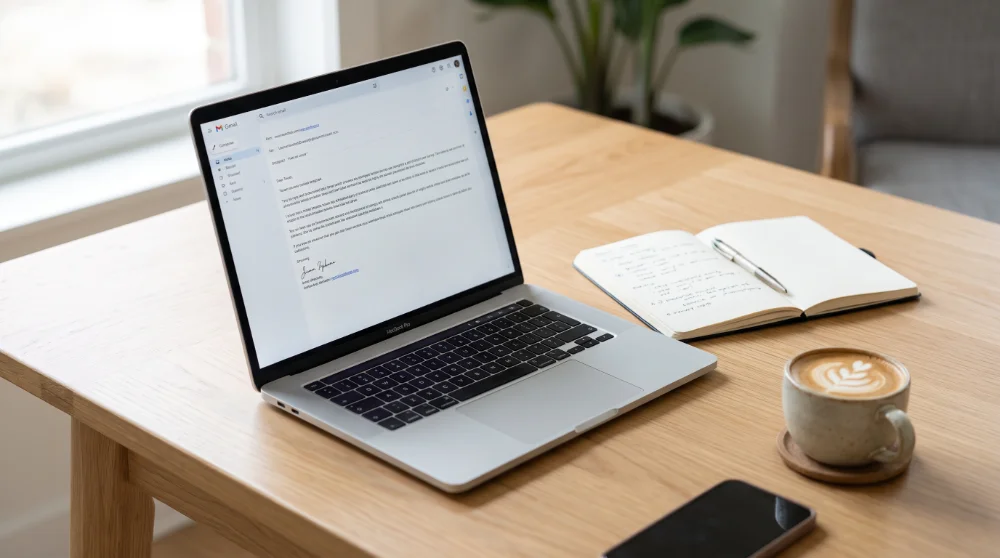
You never know, you might even find an old classmate on LinkedIn. Or maybe you want to send an email because you don’t have their social media handle. In this case, it’s best to keep things more professional. Keep it warm, but slightly more formal.
The message:
Dear [Name], I hope you’re well. My name’s [Your Name], and we were in the same class at [School Name] together back in [Year]. I saw your profile and thought I’d get in touch. I have fond memories of our time in [Subject/Club]. I’d love to hear how you’ve been getting on. If you have a minute, I’d be happy to catch up. Kind regards, [Your Name].”
So, why does this work?
This template is respectful and clear. It gives your name and reminds them of your connection. It’s friendly but not too casual. It’s great for a professional platform or for someone you didn’t really know that well at school.
5. Template 4: The Mutual Friend Connection
This is the simplest message to send. If you know someone in common, mention them. It makes your message feel much safer for the person receiving it. You’re not just some random stranger. You’re a friend of a friend.
The message is clear:
Hi [Name], I hope you’re doing well. I was having a chat with [Mutual Friend’s Name] the other day and your name came up. It made me think of our time at school together. I’d love to catch up and hear what you’ve been up to since we parted ways. I hope you don’t mind me getting in touch. Best wishes, [Your Name].”
So, why does this work?
The mutual friend is like a bridge. It shows that you’re reliable. The person will probably check with the mutual friend before replying, which is normal. This template makes the whole thing feel really natural.

6. Template 5: The Reunion Invitation Opener
Are you sending this message because you want to plan a class reunion? This template gets straight to the point with the reason for your message. It’s friendly and makes it clear what you’re asking.
The message:
“Hi [Name]! I hope you’re doing well. I’m reaching out because a few of us from the old class have been talking about organising a small reunion. We’d love to see you there! It’d be great to catch up and swap stories. Let me know if you’re interested and I’ll send you the details. Hope to hear from you soon! [Your Name].”
So, why does this work?
This message is exciting and inclusive. It’s like an invitation to join a group. It doesn’t pressure them to say yes straight away. It’s just a way to let them know about the event.
7. What to Do If They Do Not Reply
You sent your message. You waited. And nothing happened. First, do not panic. It is very common for people to miss messages.
- Check your message request folder: On Facebook and Instagram, messages from people who are not friends often go into a hidden “Request” folder. The person might not even know you sent a message.
- Wait a week: People get busy. They might read your message while they are at work and forget to reply later. Give them time.
- Send one more polite follow-up: After a week or two, you can send a short message. You can say, “Hi [Name], just checking in to make sure you saw my last message. Hope you are well!”
- Do not send a third message: If they do not reply after two messages, let it go. They might be dealing with personal issues. They might not be active online. Or they might simply choose not to reply. Do not take it personally. You did a good thing by reaching out.
8. What to Do When They Reply Back
When they reply, be sure to show excitement and kindness. Keep the conversation light at first.
- Ask open questions: Instead of asking yes or no questions, ask things like “What have you been up to since school?” or “Are you still living in [Town/County]?”
- Do not interrogate them: Do not ask for their address, their exact job title, or if they are married. Let them share personal details at their own pace.
- Offer to chat more: If the conversation goes well, suggest a phone call or a coffee. For example, “I would love to hear more about your time in college. Would you like to grab a coffee sometime next week?”
Reaching out to an old friend takes courage. It shows you’re invested in your history and the people in it. Use these templates as a starting point. Change them to fit your own voice. Just be yourself, be polite, and enjoy getting back in touch.
Best of luck with your message!Reaching out to an old friend takes courage. It shows you’re invested in your history and the people in it. Use these templates as a starting point. Change them to fit your own voice. Just be yourself, be polite, and enjoy getting back in touch.
Good luck with your message!